Clear Lip Gloss can look simple in a tube, but choosing the right formula for a brand takes more than a high-shine finish. McKinsey’s 2023 State of Beauty report projected that the global beauty market could reach $580 billion by 2027, with annual growth of about 6%. That outlook signals opportunity, not guaranteed demand for every product. A gloss still needs a clear reason to earn space in a crowded assortment.
Start with how it feels and wears. A thick formula may hold shine longer, yet feel tacky on the lips. A thinner one can feel light but need more frequent reapplication. Check clarity in the actual package, too: bubbles, tint shifts, or a cloudy appearance can undermine the clean look customers expect. Applicator shape, cap fit, and leakage during shipping matter just as much as the first swipe. Small details. Big consequences.
For a brand, the decision should connect customer expectations with practical product testing. Compare samples under natural light, assess the finish across different lip tones, and record wear, scent, and reapplication feedback. The global market forecast is useful context, but it does not tell you which formula your customers will prefer. That part requires evidence from your own audience—and some honest revision when the first sample misses the mark.
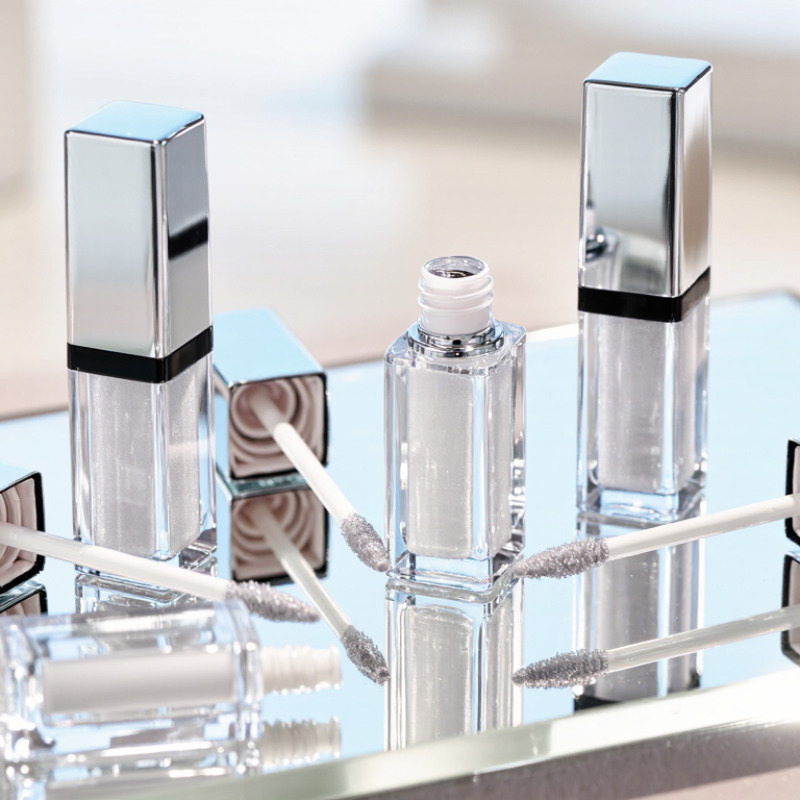
Before choosing a clear gloss, define who will use it and what “clear” should mean for them. Is the product meant for a bare, glassy shine, or for layering over color? McKinsey & Company’s 2023 State of Beauty report projected roughly 6% annual growth in the global beauty market through 2027. That broad forecast signals opportunity, not guaranteed demand for any one gloss. Keep the target customer specific: note their preferred finish, price point, and likely use occasion.
Write down sensory requirements before requesting samples. Specify shine level, viscosity, cushion, and how much tackiness is acceptable. A gloss that looks smooth under studio lights may feel stringy on the applicator. Test it on lips, not only on a hand swatch. Check whether it spreads evenly, settles into lines, or feels comfortable after an hour. Small differences matter.
Then define practical specifications: applicator shape, package size, formula compatibility, and performance expectations over time. Ask suppliers for ingredient documentation and stability data, and review claims against the evidence they can provide. Keep testing conditions consistent, including temperature and wear time. There may be a trade-off between lasting shine and a lighter feel. Be honest about that. A perfect brief is unlikely; a clear one makes samples easier to judge.
A clear gloss can look simple, but formula choices shape its feel, clarity, and wear. Polybutene or hydrogenated polyisobutene can add cushion and help gloss cling to lips. Oils may soften the feel, though some formulas feel thinner or need more frequent reapplication. There is no perfect base. Compare ingredient lists, supplier specifications, and samples rather than relying on a single hero ingredient.
The finish matters just as much. A glassy formula catches light sharply, while a softer, more flexible gloss can look smoother and feel less sticky. Try each sample in a thin layer and a heavier swipe; clarity and tackiness can change with application. Check the gloss under daylight and warm indoor lighting. Small differences show.
Packaging affects the experience, too. A thick formula may not move cleanly through a narrow wiper, while a runny one can leak or leave the applicator messy. Test the intended tube, wand, and cap together. Ask for stability and compatibility data, then observe samples over time. Fragrance and flavor can affect user preference, so include them only when they serve a clear purpose. I would not judge a formula from one quick test; wear varies, and that is easy to overlook.
| Formula Type | Typical Ingredients | Texture & Application | Typical Finish | Key Trade-Offs | Best Fit |
|---|---|---|---|---|---|
| Anhydrous oil blend | A blend of cosmetic-grade oils and emollients, such as hydrogenated polyisobutene, polybutene, or plant-derived oils. Antioxidants may be used to help protect oxidation-sensitive oils. | Usually smooth and easy to spread. Viscosity depends on the oil blend and any structuring ingredients. | Clear, glossy shine; the look can range from lightweight to more cushiony. | Oil compatibility and oxidation stability need evaluation. Some oil blends may feel slippery or migrate beyond the lip line. | A straightforward option when a smooth, comfortable, transparent gloss is the priority. |
| High-viscosity gel gloss | A gelled oil system may use ingredients such as hydrogenated styrene/isoprene copolymer or silica to build structure, alongside emollients. | Thicker, more cushiony, and often more adherent than a low-viscosity oil blend. Applicator choice matters for even payoff. | Full-looking, glassy shine when the formula is smooth and well spread. | Can feel tackier or heavier. Check clarity, stringiness, and dispensing performance during stability and packaging tests. | A suitable direction for a plush feel and a more substantial, high-shine appearance. |
| Lightweight emollient blend | Light-feeling emollients, such as selected esters or cosmetic-grade hydrocarbon emollients, blended to reduce heaviness while maintaining slip. | Typically thinner and quick to spread, with a lighter feel than a heavily gelled gloss. | Fresh, reflective shine; the coating may appear less substantial than a dense gel gloss. | A thinner texture may require more frequent reapplication. Confirm that the selected ingredients remain compatible and visually clear. | A good starting point for a lightweight, easy-glide product concept. |
| Waxy or structured gloss | Oils or emollients structured with waxes, such as synthetic wax or microcrystalline wax, in amounts suited to the desired format. | More body and shape retention; depending on the formula, it may be offered in a pot, tube, or solid format. | Can range from glossy to more subdued. A higher wax level may reduce the fluid, glass-like look. | Too much structure can affect glide and clarity. Assess application, payoff, and performance at different temperatures. | Useful when a less-fluid texture or a format with greater shape retention is desired. |
| Water-containing emulsion | Water and oil phases combined with emulsifiers; the full ingredient system may also require suitable preservatives and stability testing. | May feel different from an anhydrous gloss, depending on the emulsion structure. The phases must remain stable and uniform. | Finish varies by formula; achieving a clear appearance can be challenging if ingredients or the dispersed phase scatter light. | Requires careful preservation, compatibility, and stability evaluation. Not every emulsion will be transparent or suitable for a clear-gloss brief. | Consider when a water-containing sensory profile is important and the development team can support the added formulation requirements. |
Note: These are general formula categories, not guaranteed performance specifications. Final clarity, feel, stability, wear, and packaging compatibility depend on the complete formula and should be verified through product testing.
For clear lip gloss, packaging is part of the product experience. A transparent bottle shows the formula’s color and clarity, but it also exposes bubbles, settling, and changes over time. Test the formula in its intended container, then check for leakage, component compatibility, and cap wear. A soft-touch finish may look refined, yet fingerprints can make it appear dirty. Small details matter.
The applicator shapes both payoff and perception. A flocked doe-foot can spread gloss evenly, while a narrower tip offers more control around the lip line. Check the wiper: too tight, and it scrapes off product; too loose, and the wand brings out excess. Test it wet. Grand View Research estimated the global cosmetic-packaging market at USD 49.8 billion in 2023, reflecting the scale of packaging competition. Distinctive choices help, but complicated components can raise costs and slow sampling.
Customization can include bottle shape, cap color, print, and applicator style. McKinsey’s 2020 US consumer survey found that more than 60% of respondents were willing to pay more for sustainable packaging. Treat that as a signal, not a guarantee of purchase. Ask suppliers for material specifications and samples, then compare filled units under store lighting and in a handbag. I would not judge a package from a render alone; even a minor mismatch between the bottle and formula can disappoint.
Evaluate packaging, applicators, and customization options using this sample decision framework.
How to use it: These illustrative weights total 100% and are not market-research findings. Prioritize package clarity and applicator performance, then adjust the weights after testing samples for leakage, application feel, and decoration compatibility.
Clear gloss can look simple, but a transparent formula still needs careful safety checks. Ask suppliers for a complete ingredient list and current documents showing each ingredient’s intended cosmetic use. Confirm that the formula meets requirements in every market where you plan to sell; rules and documentation can differ by region. A glossy sample is not proof of compliance.
Check whether testing covers product stability, microbial quality, and compatibility with its packaging. A clear gloss may change in color, smell, or texture after months in a tube. Request batch records and relevant test reports, then verify that they match the exact formula you intend to order. It is easy to overtrust a polished PDF. I would compare document dates, product names, and formula versions before approving production. Have qualified regulatory or laboratory professionals review any gaps, especially when supplier paperwork is vague. Claims such as “hypoallergenic” also need evidence; attractive wording alone does not make a claim reliable.
When choosing clear lip gloss, test samples under more than one type of light. A gloss may look colorless in a jar but appear cloudy on lips. Check the texture, shine, scent, and feel after several hours. Apply it with the intended applicator, then watch for leaks, stringiness, or uneven coverage. Small differences matter.
Ask suppliers how they control formula consistency between batches. Request sample details, ingredient documentation, production timelines, minimum order quantities, and packaging compatibility information. If possible, compare a lab sample with a sample made using the supplier’s regular production process. Ask how they assess clarity and stability, and what happens if a batch differs from your approved sample. Their answers should be specific and easy to verify. A polished sample alone is not enough. I might be tempted to choose the gloss that looks best on day one, but that misses how packaging and storage can affect it later. Be willing to revisit your choice.
Polybutene or hydrogenated polyisobutene can add cushion and help gloss cling. Oils may feel softer, but some formulas need more frequent reapplication.
Apply a thin layer and a heavier swipe. Check both in daylight and warm indoor light; small differences show.
No. Some formulas catch light sharply, while flexible glosses can look smoother and feel less sticky.
Test the intended tube, wand, and cap together. Thick gloss may struggle with a narrow wiper; runny gloss can leak.
Review stability, microbial quality, and packaging compatibility results. Watch for changes in color, smell, or texture over time.
Request a complete ingredient list, relevant test reports, and batch records. Match dates, product names, and formula versions carefully.
They may affect user preference, so include them only for a clear purpose. I would not add them automatically.
No. The claim needs evidence; appealing wording is not enough. A polished document can still leave gaps.
After samples and documents are reviewed by qualified professionals. One quick test is not enough; wear can vary.
Choosing Clear Lip Gloss for your brand begins with defining the product’s purpose, target customers, desired price range, and preferred look and feel. Compare formula options, ingredients, shine levels, and texture to find a gloss that matches these needs while offering a comfortable, consistent experience. Consider packaging just as carefully: container style, applicator design, material choices, and customization options all affect usability and how the product is presented.
Before making a decision, review the supplier’s safety documentation and confirm that the product can meet applicable requirements in your intended markets. Request samples to assess color clarity, scent, texture, application, and wear firsthand. Use this testing stage to discuss production capabilities, minimum order quantities, quality controls, lead times, and customization limits with potential suppliers. A careful comparison helps you select a gloss and production partner that fit your product goals and support a reliable launch.