Tinted Lip Gloss has moved beyond a simple shine product. For global buyers, it sits at the intersection of color, comfort, packaging, and fast-changing consumer preferences. McKinsey’s 2023 beauty-market analysis projected that the global beauty industry could reach about $580 billion by 2027, with roughly 6% annual growth. That is a forecast, not a promise. Still, it signals why buyers need clear product criteria before comparing suppliers or placing large orders.
A gloss may look convincing under bright showroom lights, then feel sticky after an hour. Small details matter: pigment consistency across batches, applicator control, cap fit, and whether the formula stays comfortable in warm conditions. Buyers should also review ingredient documentation, stability data, packaging specifications, and market-specific labeling needs with qualified suppliers. Shade names can travel poorly, too; a “nude” tone in one market may appear noticeably different on another skin tone. Test it in context.
This guide presents 10 practical tips for evaluating Tinted Lip Gloss, from sample testing to supplier communication and assortment planning. It favors questions buyers can verify over claims that sound polished but lack evidence. Some judgments remain subjective. That is worth admitting. A swatch cannot tell you everything about wear, texture, or customer response, so build time for real-world testing into the buying process.
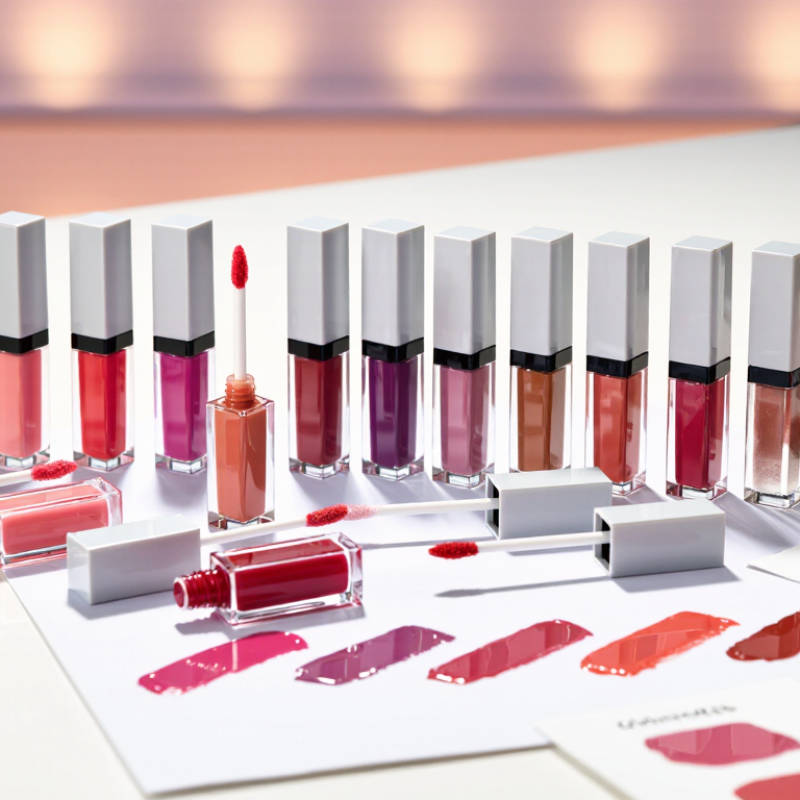
Understanding Tinted Lip Gloss Types, Ingredients, and Key Features
Tinted Lip Gloss Tips for Global Buyers
Tinted lip gloss sits between a clear shine and a traditional lipstick, but formulas vary considerably. Some offer a sheer wash of color; others build to a stronger tint with extra layers. Glosses may rely on oils, waxes, or film-forming ingredients for slip and shine. Check the ingredient list for moisturizing components, such as emollients, and note any fragrance if scent-sensitive customers are part of your market. Texture matters. A lightweight formula can feel comfortable, while a thicker one may stay put longer but feel tackier. These trade-offs are easy to overlook.
For product evaluation, compare color payoff, stickiness, shine, and wear after a drink or a few hours. Ask suppliers for complete ingredient documentation, shade references, and consistent sample batches. Verify packaging details too: a secure cap and a clean applicator can reduce leaks during shipping and use. Climate affects the experience; heat may soften some formulas, while cold can make them feel firmer. Review storage guidance and test samples in realistic conditions. Shade photos are imperfect, since lighting and screen settings change how color appears. A little uncertainty remains, so assess physical samples before placing a large order.
FAQS
Check color payoff, stickiness, shine, and wear after a drink. A sheer tint may need several layers. Trade-offs happen.
Oils, waxes, and film-forming ingredients can change slip and shine. Look for emollients if moisture matters. Check fragrance, too.
Apply it in daylight, note its scent and texture, then carry the tube in a bag. Check for leaks. Small details matter.
Ask for ingredient details, shade references, net weight, packaging materials, and shelf-life guidance. Request quality-check information, too.
Compare samples and ask how shade changes are managed. Photos can mislead. I would not treat one good sample as proof.
Request separate costs for the product, decoration, packaging, and freight. Confirm any color-matching or setup fees. A low price may omit something.
Ask whether the minimum applies per shade, per formula, or across the purchase. Packaging may have its own minimum. Get details in writing.
Heat may soften some formulas, while cold can make them firmer. Check the cap and applicator, then test under realistic conditions. Variations happen.
Conclusion
Tinted Lip Gloss offers global buyers a versatile product category, but choosing the right option takes more than selecting an attractive color. Compare gloss types, textures, finish, wear, and ingredient information to understand how each formula may perform. Then consider regional preferences, climate, skin tone diversity, and local buying habits when selecting shades and product features.
Before placing an order, review safety documentation, product labeling, and import requirements for the destination market. Assess suppliers by requesting samples, confirming quality expectations, comparing pricing, and clarifying minimum order quantities and lead times. Finally, plan packaging that protects the product and suits local preferences, and agree on shipping arrangements and quality checks before production and dispatch. Careful evaluation at each stage can help buyers reduce surprises, make informed purchasing decisions, and build a reliable process for sourcing Tinted Lip Gloss across markets.