Featured OEM/ODM Color Cosmetics Portfolio
Formulated in our ISO 22716 accredited facility, tested to SGS standards, and engineered for high-payoff, long-wearing commercial success.
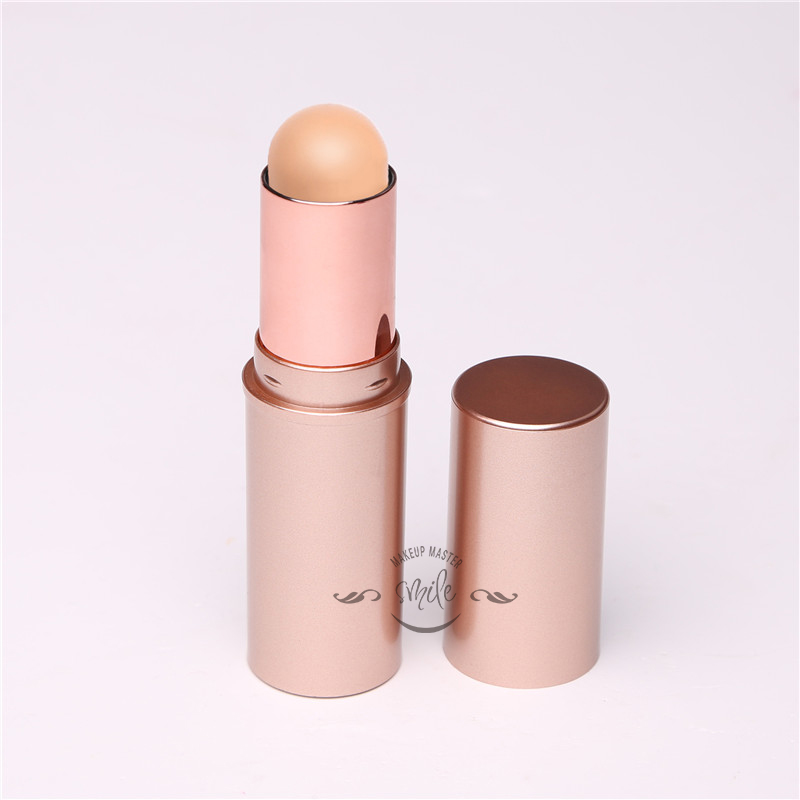
Waterproof Soft Matte Foundation Stick Medium to Full Coverage Face Makeup for All Skin Types
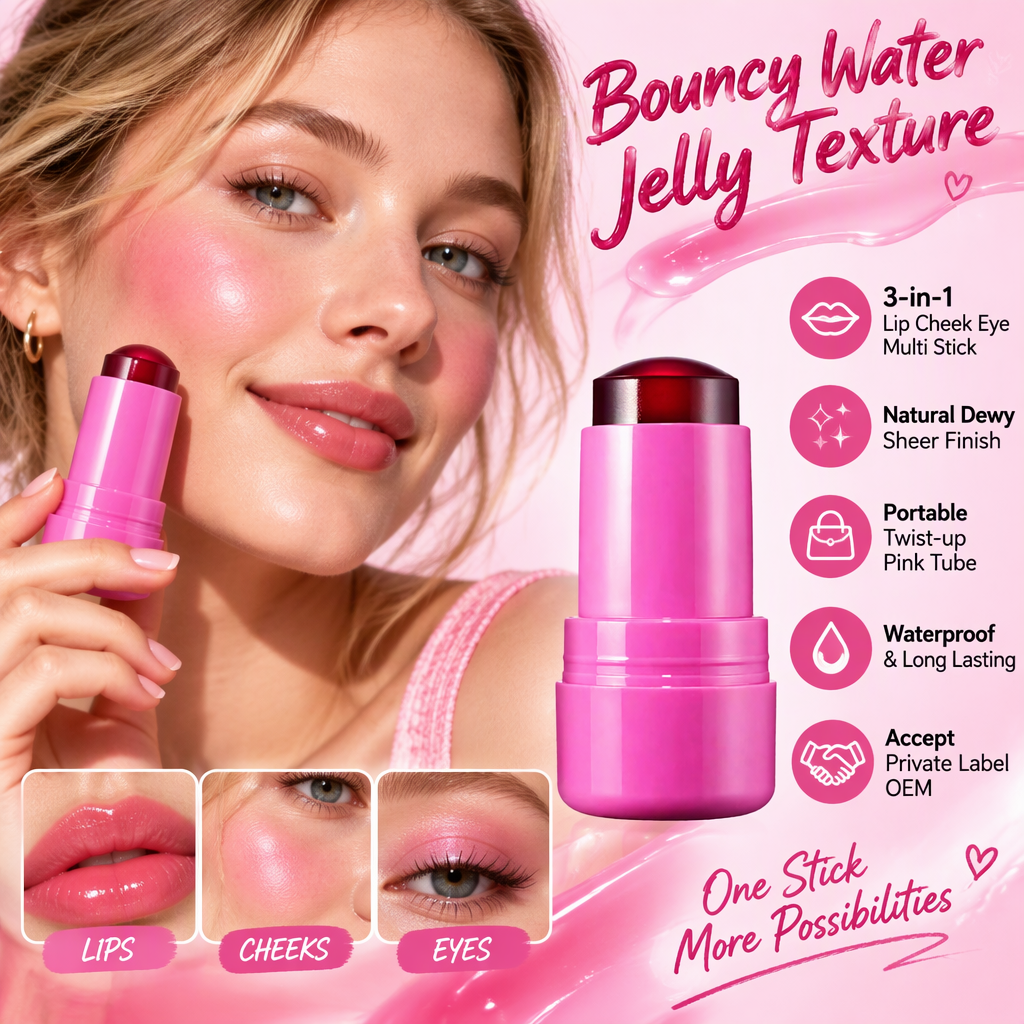
Custom Logo Jelly Blush Stick Matte Cheek Tint Waterproof Longlasting Mineral Multi-use Lip and Cheek Tint 5G 4 Colors
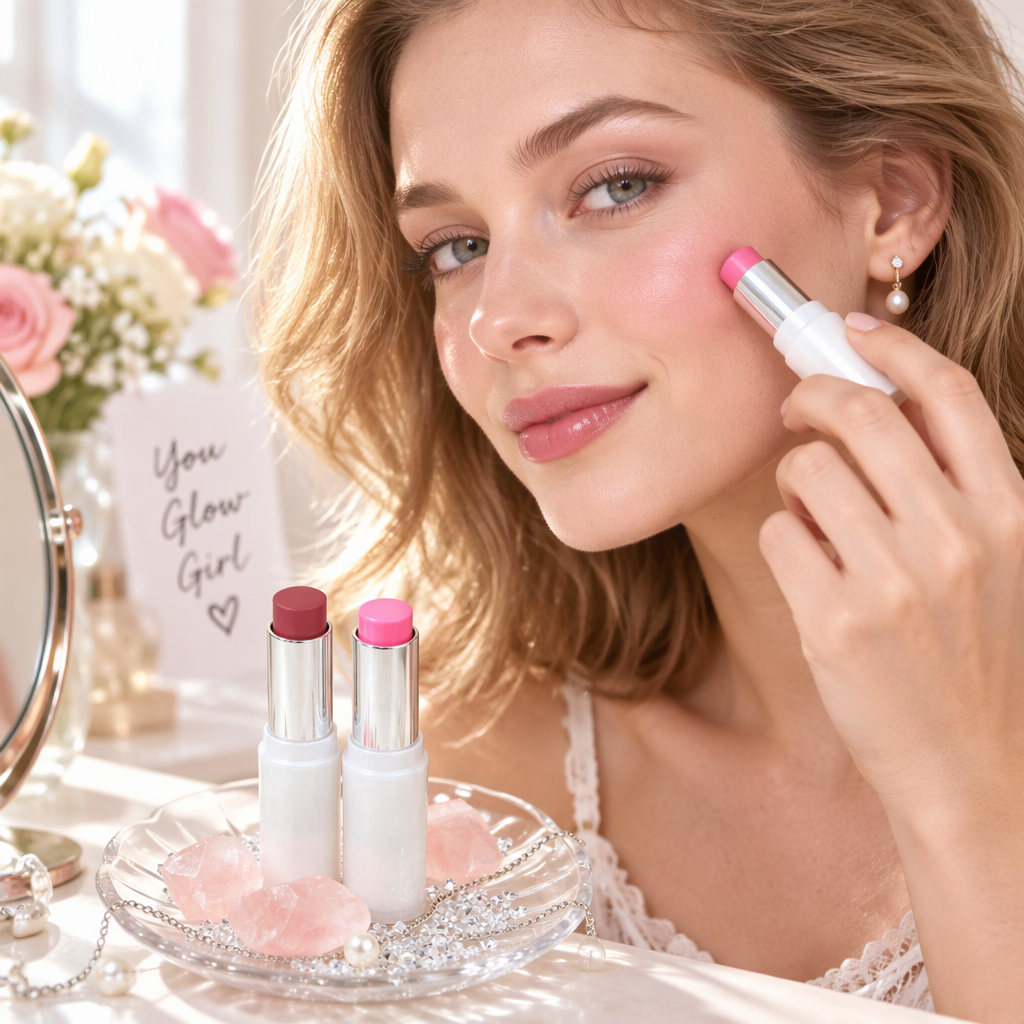
Private Label Waterproof Moisturizing Glossy Blush Stick Vegan Cruelty Free Cream Makeup Natural Pink Cheek Color
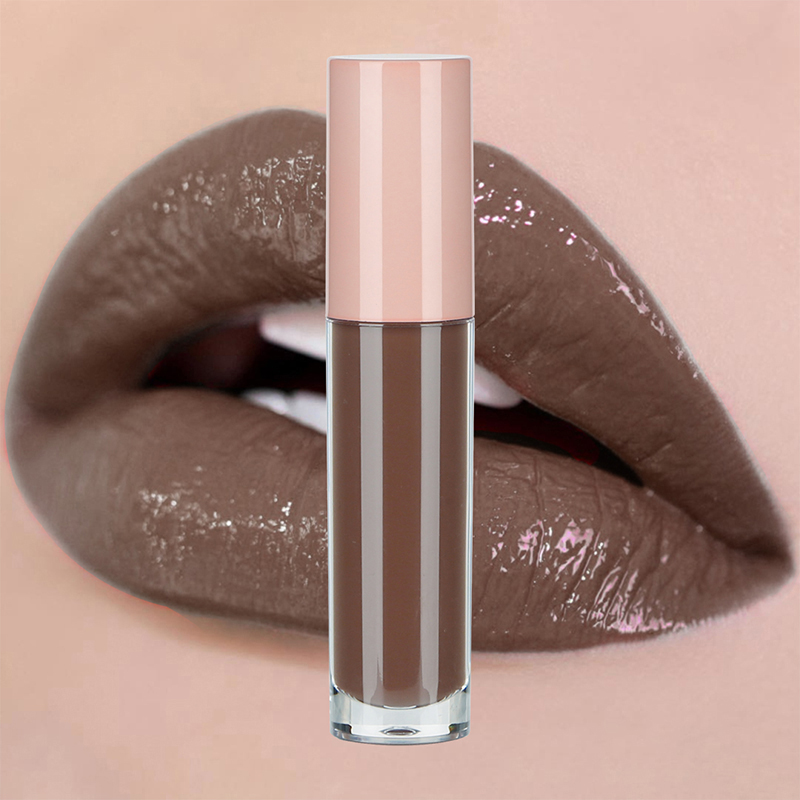
Holographic Glitter Lip Gloss Shiny Moist Liquid Formula 5g Vegan Cruelty Free 65 Colors Custom Logo OEM
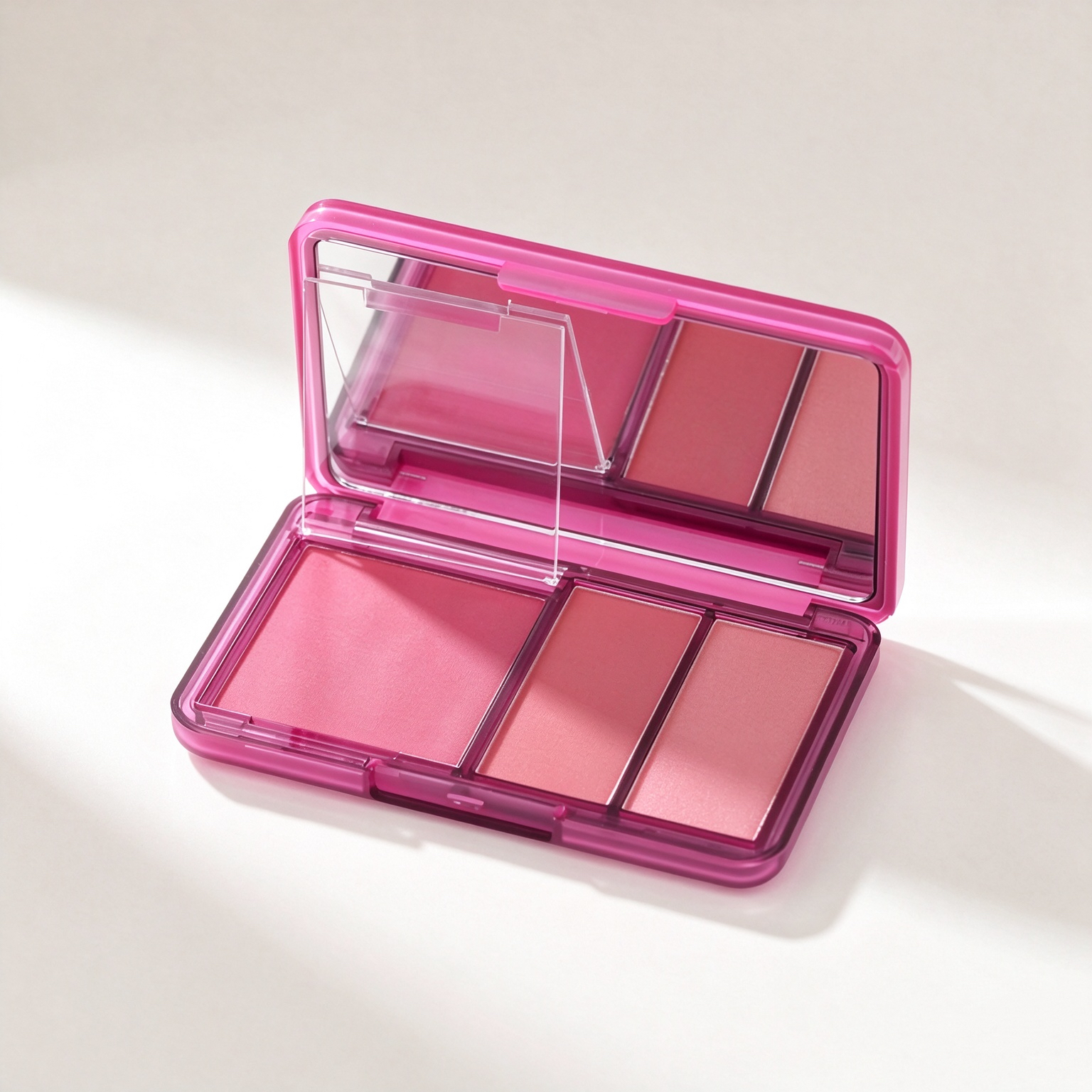
3 Colors Blush Palette Matte Multi-functional Cheek Blush Powder Long Lasting Blush Makeup Private Label Custom Logo Cosmetic
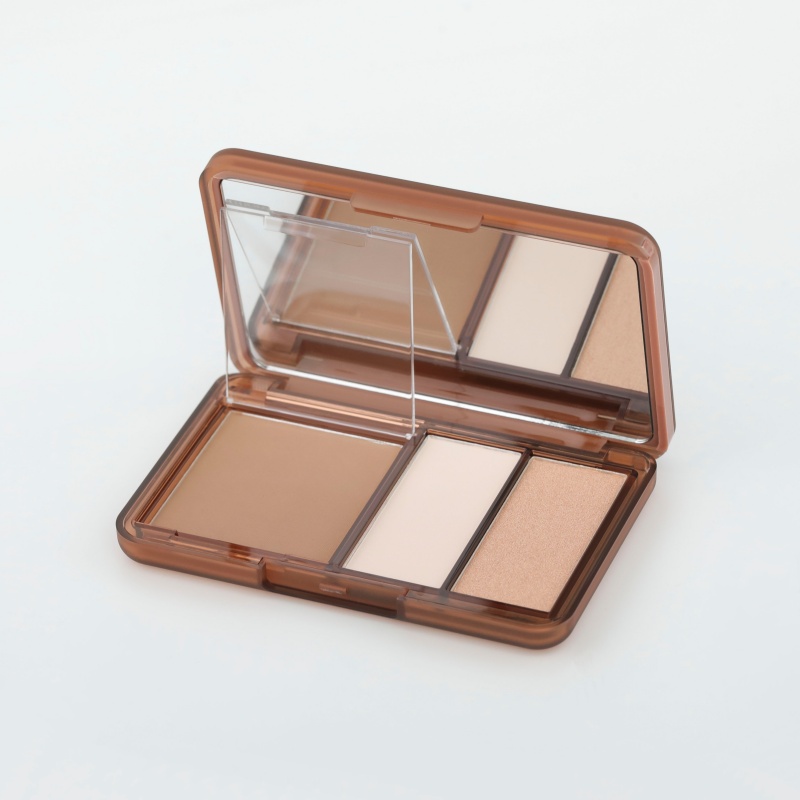
Three-color Wholesale High Pigment Multi-color Private Label Long Lasting Natural Smooth Contour and Highlighter Palette
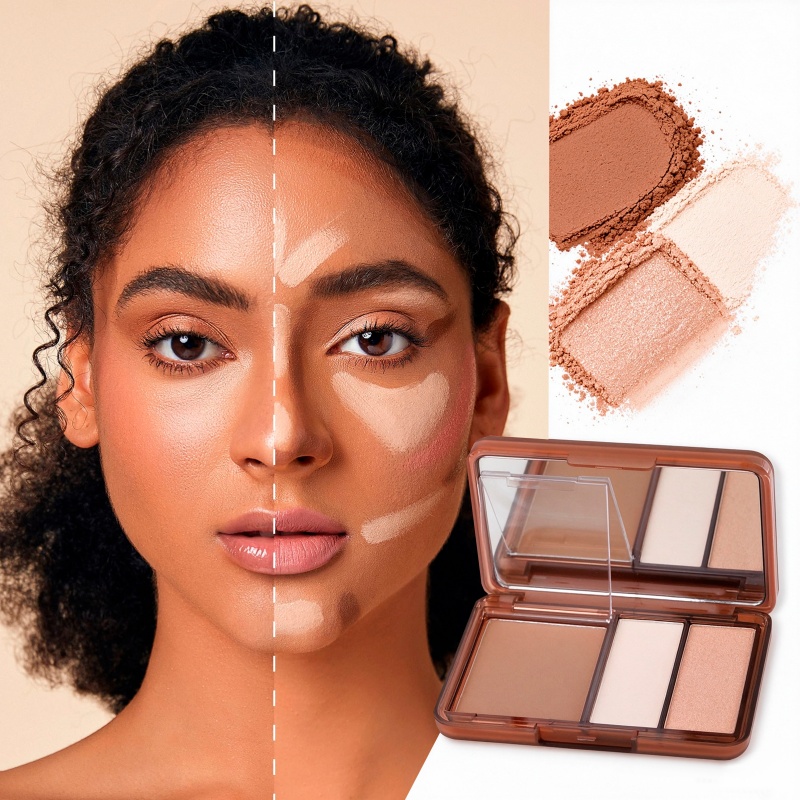
TY 11 26Waterproof Matte Cream Concealer Full Coverage Silky Mineral Formula Oil Control Brightening Custom Private Label Makeup
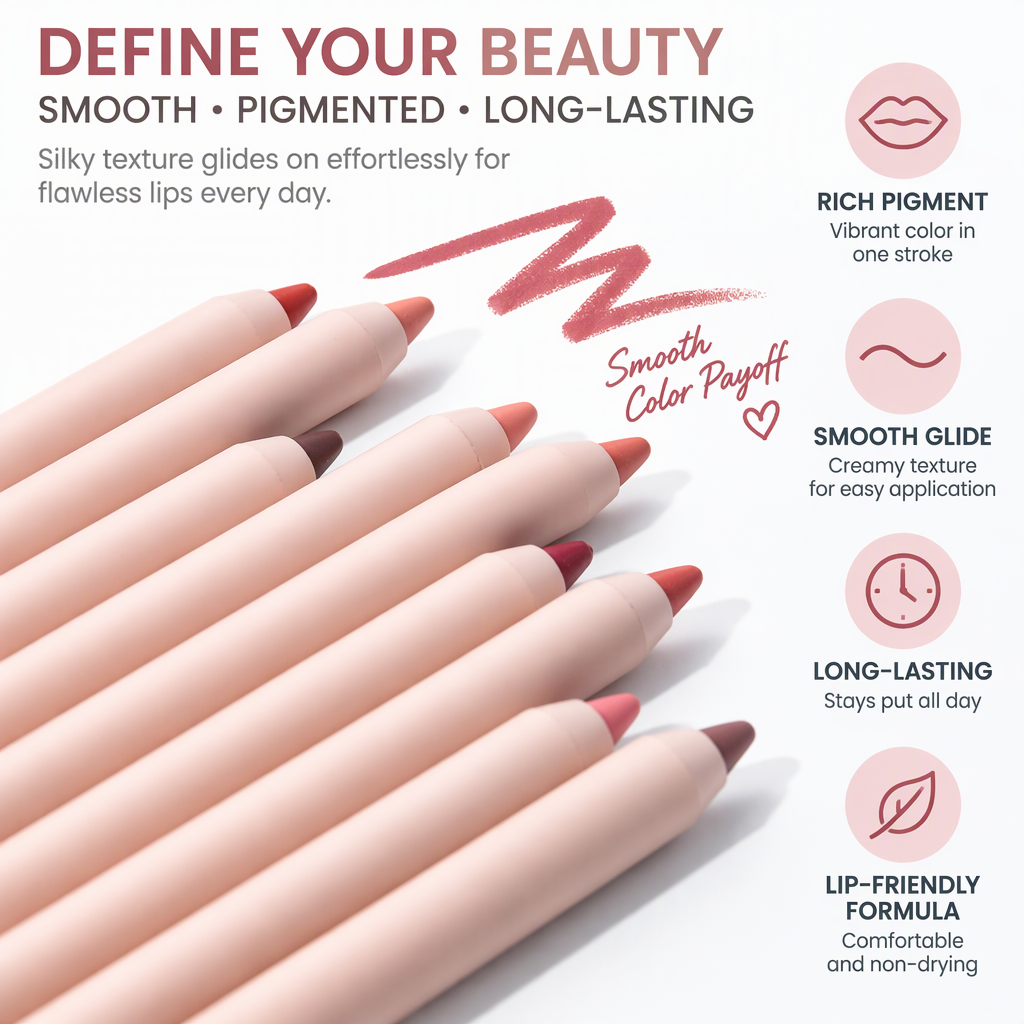
12 PCS Matte Lip Liner & Gloss Pencil Set Long-Lasting Smooth Lips Makeup Kit for Women Everyday Wear Low MOQ
ISO 22716 & GMP Excellence
Operating out of Jinhua, Zhejiang, Yiwu WAB Cosmetic Commodity Co., Ltd. strictly maintains cleanroom manufacturing adhering to ISO 22716 Good Manufacturing Practice for safety and purity.
EU CPNP & FDA Compliance
Our formulas carry complete CPNP notification files, SDS reports, heavy metal ICP-MS screening, and microbiological challenge data to guarantee rapid market entry into the EU and US.
In-House R&D & Shade Matching
Equipped with modern colorimetry spectrophotometers, our chemists match physical Pantone or benchmark samples with high fidelity (Delta E < 0.8) for precise brand execution.
Technical Whitepaper: Engineering Next-Generation OEM/ODM Matte Lipsticks
An in-depth analysis of formulation physics, pigment dispersion mechanisms, market procurement trends, and regulatory parameters driving global B2B cosmetics trade.
■ 1. The Chemistry of Velvet Matte Lipsticks: Silicone Elastomers vs. Traditional Waxes
Historically, traditional matte lipsticks relied heavily on dense crystalline wax bases (such as ozokerite, paraffin, and high percentages of carnauba wax) combined with heavy talc or kaolin loading. While this architecture produced an opaque, zero-shine finish, it introduced major functional drawbacks: dry feel, drag during application, cracking, and severe lip line accentuation. Modern B2B buyers and brand developers demand elevated sensory performance without sacrificing matte intensity.
At Yiwu WAB Cosmetic Commodity Co., Ltd., our contract manufacturing division utilizes advanced Silicone Elastomer Gel Networks blended with volatile dimethicone carriers and functional botanical waxes (synthetic candelilla and jojoba esters). This architectural transition yields significant performance upgrades:
- Zero-Drag Glide Dynamics: Cross-linked dimethicone crosspolymers form a flexible 3D matrix that glides smoothly over labial contours, depositing uniform color without dragging or pulling.
- Soft-Focus Optical Blurring: Spherical silica micro-beads and boron nitride refract light omnidirectionally, visually softening fine lip lines and delivering a velvety, photo-ready matte finish.
- Controlled Volatility & Film Formation: Volatile silicone fluids evaporate systematically upon contact with labial body heat, leaving behind an ultra-lightweight, transfer-resistant pigment film that resists feathering for up to 12 hours.
■ 2. Pigment Processing & Hydrophobic Surface Treatments
Achieving true one-swipe color opacity in matte formulations requires sophisticated pigment wetting and milling technology. Raw iron oxides and D&C lake pigments naturally exhibit hydrophilic surface properties, causing them to agglomerate in anhydrous oil/wax systems. This agglomeration leads to gritty application, color streaking, and viscosity instability over time.
Our factory employs continuous Three-Roll Mill Dispersion combined with hydrophobic pigment surface treatments (such as Triethoxycaprylylsilane and Aluminum Hydroxide). By encapsulating each micro-pigment particle in a hydrophobic sheath, we lower surface tension within the formula, enabling higher pigment loading (up to 22%) while maintaining fluid, castable viscosity during hot-pour production at 85°C.
■ 3. Non-Drying Hydration Vectors in Anhydrous Matte Systems
The single greatest driver of end-consumer retention in the matte lip category is moisture preservation. To differentiate private label brands in saturated retail channels, our R&D lab embeds active moisture-locking complexes into lip formulations:
- Micro-Encapsulated Hyaluronic Acid Spheres: Dehydrated HA microspheres penetrate lip wrinkles and absorb transepidermal moisture, swelling in size to plump labial volume while keeping lips comfortable.
- Phytosteryls & Ceramide Mimics: Bio-identical lipid complexes restore the natural lip barrier, preventing moisture loss under matte film coatings.
- Tocopherol (Vitamin E) & Seed Oils: Meadowfoam seed oil and organic rosehip oil stabilize the lipid matrix against oxidation while imparting antioxidant protection.
Matte Lipstick Sourcing Trends (2025–2030)
Strategic intelligence for cosmetic brand directors, category buyers, and supply chain managers.
Clean & PFAS-Free Strict Compliance
Regulatory mandates in California, the EU, and South Korea are banning fluorinated chemicals (PFAS) and microplastics. Modern matte formulas must utilize natural silica, cellulose fillers, and biodegradable film-formers.
Refillable & Monomaterial Packaging
Brands are transitioning away from complex multi-material lipstick bullets toward refillable aluminum cases and 100% recyclable single-polymer PP/PET packaging to reduce plastic waste and satisfy ESG targets.
Hybrid Skincare-Infused Formulations
B2B buyers are increasingly specifying "lip-care cosmetics" that feature SPF protection, peptide complexes, and niacinamide to transform traditional matte lipsticks into multi-functional treatment products.
Inclusive Universal Shade Calibration
Global exports demand nuanced shade ranges, including warm olive, cool undertone nudes, and deep rich berries, optimized across diverse skin tones to maximize international appeal.
Blurring Liquid-to-Powder Textures
Innovation is shifting toward "air-whipped" soufflé and liquid-to-powder clay textures that offer weightless coverage, soft blurred edges, and low transfer without tight drying sensations.
Agile Low-MOQ Sampling & Rapid Scalability
E-commerce and TikTok Shop brands require fast turnarounds. Factory partners must offer low initial trial MOQs (500–1,000 units) backed by scalable high-volume automated production lines.
Frequently Asked Questions for Sourcing
Essential technical, regulatory, and logistics queries answered by our manufacturing team.
What is the minimum order quantity (MOQ) for custom OEM/ODM matte lipstick orders?
Our MOQs depend on the customization scope. For ready-to-ship stock formulas in standard packaging with private label logo printing, MOQs start as low as 500 to 1,000 pieces per shade. For fully custom formula development, custom pantone packaging colors, or proprietary component tooling, the standard MOQ is 3,000 to 6,000 pieces per shade run.
How do you guarantee color batch consistency across large manufacturing orders?
Every batch undergoes strict spectrophotometer color matching (Delta E < 0.8 tolerance) against an approved master reference standard. We control raw material lot variations by utilizing standardized micro-milled pre-dispersed pigment pastes and carrying out automated hot-pour temperature profiling throughout production.
Are your lipstick formulas vegan, cruelty-free, and compliant with EU/US regulations?
Yes. All WAB Beauty formulations are 100% cruelty-free with no animal testing, made without carmine, beeswax, or lanolin unless specifically requested. Our factory operates under ISO 22716 GMP standards, and our products pass heavy metal testing, microbiological assays, and carry CPNP filings for the EU and US FDA VCRP/MoCRA compliance readiness.
What quality control stability tests are conducted before bulk export shipments?
We conduct rigorous 12-week stability testing under elevated thermal conditions (45°C and 50°C), freeze-thaw cycling (-10°C to +40°C), drop-weight thermal point testing (ensuring no sweating or melting up to 55°C), break-strength bullet shear testing, and centrifuge oil-bleed testing prior to commercial release.
Can WAB Beauty match an existing reference shade or high-end benchmark formula?
Yes. You can send physical benchmark samples or specify Pantone numbers. Our experienced formulation chemists will analyze the texture, finish, opacity, and payoff to produce lab counter-samples for your approval prior to mass production.
Launch Your Custom Matte Lipstick Line with WAB Beauty
Partner with an Intertek-audited OEM/ODM manufacturer in Zhejiang, China. From lab sampling to full regulatory documentation and mass production, our team is ready to scale your cosmetic line.
Contact Us